FRAZIER TRACT, RUM CAY
Available on request
7 catalogue images. Media provenance, current condition and usage rights are confirmed before an introduction.
The reason to consider it.
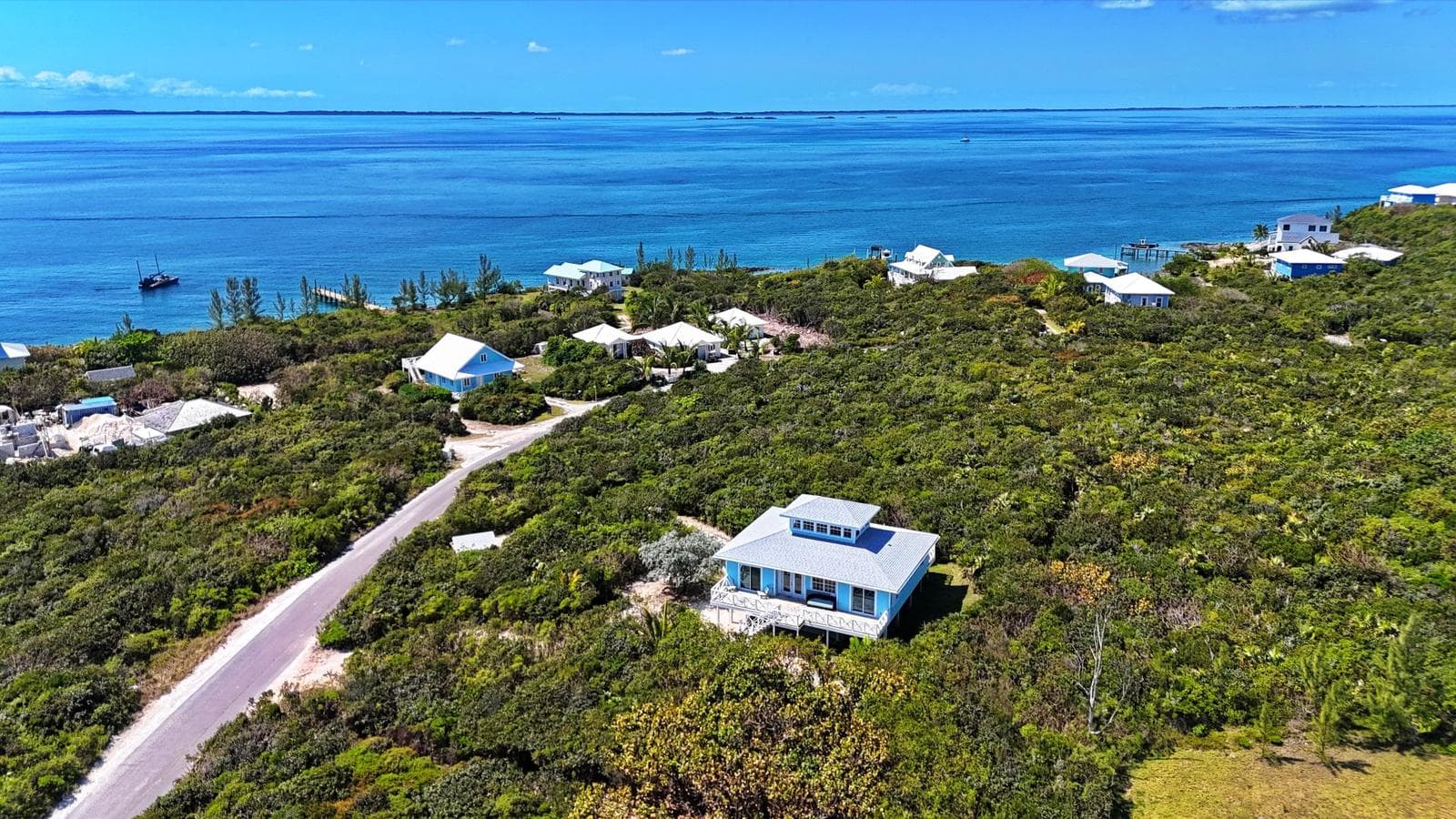
This rare 340-acre oceanfront property on Rum Cay is being offered at an exceptional price and presents one of the strongest development opportunities remaining in the Bahamas! Rum Cay is now the new Exumas where the early movers benefit the highest ROI or a chance to create legacy. The land features impressive natural elevation and beautiful rolling topography across the entire acreage, providing a landscape that is both visually striking and highly buildable. Formerly part of a closed-off Salt operation, the property has been preserved for decades, resulting in clean, secure land with a fully bondable and insurable Certificate of Title. With over 10,000 linear feet of shoreline, multiple sandy coves, surf-friendly coastline, and naturally deep sections of water, the site offers ideal conditions for resort concepts, marina development, private estates, or even a future cruise port destination similar to that of Castaway Cay (Disney), CocoCay (Royal Caribbean), Great Stirrup Cay (Norwegian), Half Moon Cay (Holland America/Carnival), Ocean Cay MSC Marine Reserve (MSC) etc.
Last confirmed
- Type
- Land
- Land
- Available on request
What people say about Bahamas
Sources agree that foreigners can own Bahamian property outright and that an ordinary home purchase needs a registration filing through a Bahamian lawyer, not a discretionary permit.
- Positive Foreign buyers mostly register rather than seek a permit; permit applies to large or commercial land
- Mixed Closing costs are dominated by a 10% transfer VAT for foreign buyers, usually split with the seller, plus legal fees
- Mixed Annual property tax is being reshaped in 2026 (new foreign owner-occupied category), and Bahamian realtors dispute fairness
- Concern Vacant land owned by foreigners carries a notably heavier tax until built on
The asking price is not what it costs.
More listings on the same island. Availability is confirmed when you enquire.